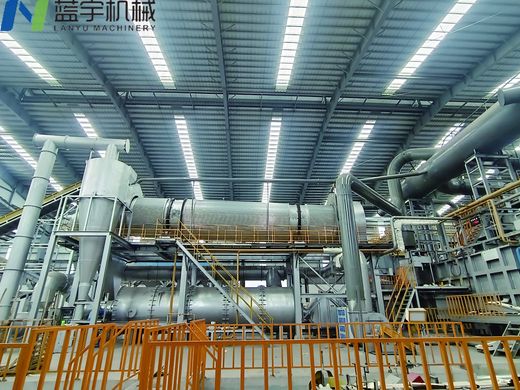
High-Efficiency Scrap Aluminum Preheating and Decoating Kiln
Main Applications The high-efficiency scrap aluminum preheating and decoating kiln continuously prepares used beverage can (UBC) scrap, …
Read MoreA recycled-aluminum line can involve several distinct stages rather than one machine. This page is a process-selection guide to equipment already documented on the site, from preparing coated or oily scrap through melting and downstream hot-dross handling. The final route depends on feedstock condition, required throughput, available heat, plant layout and local emission requirements.
For UBC, chips or alloy offcuts with moisture, oil or coatings, start with the Scrap Preheating and Decoating category and the high-efficiency scrap aluminum preheating and decoating kiln. The published kiln range combines drying, deoiling, decoating and preheating, with 1–3, 3–5, 5–8 and 8–10 t/h models, secondary combustion and heat recovery.
For chips, used beverage cans, radiator scrap and other light-gauge aluminum, review the double-chamber side-well aluminum melting furnace. Its published configuration covers 3–10 tonnes per hour for chips or cans and multiple furnace capacities, fuels and charging arrangements.
For hot aluminum dross or aluminum-bearing material after melting, review the rotary furnace for aluminum dross recovery. Published batch-capacity models are 3T, 5T, 8T, 10T and 12T; selection also depends on charging, fuel, flue-gas handling and downstream cooling.
Where hot dross must be cooled and separated after rotary-furnace treatment, review the aluminum dross cooling and screening drum. The documented range handles 2–6 t/h and uses water spray or immersion cooling, with optional screening from 40 to 100 mesh.
Melting and dross-treatment lines may also require a pulse-jet baghouse dust collector. Filter area, fan, ducting, cleaning and ash discharge must be sized from the actual air volume, gas temperature, dust properties and emission limit.
Main Applications The high-efficiency scrap aluminum preheating and decoating kiln continuously prepares used beverage can (UBC) scrap, …
Read More