
Low-NOx Diffusion Combustion System
Low-NOx diffusion combustion system for non-ferrous metal melting and holding furnaces. Designed to improve thermal efficiency while supporting lower NOx combustion.
Table of Contents
Application Scope
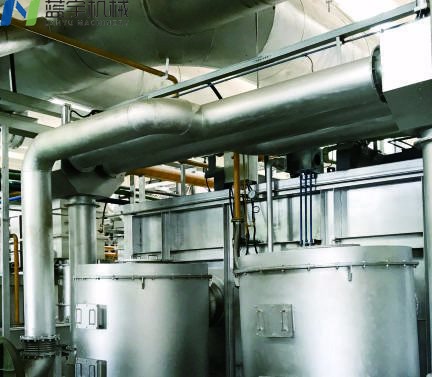
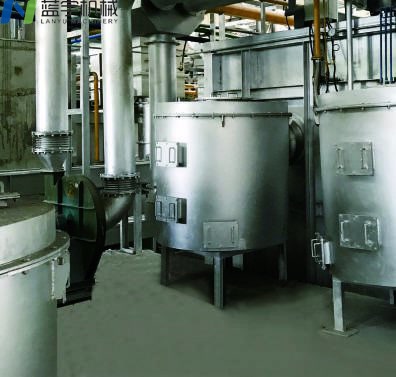
The low-NOx diffusion combustion system is used with non-ferrous melting and holding furnaces. Regenerator vessels, a main burner and reversing control recover heat and organize diffusion combustion for aluminum and zinc ingot, billet, sheet, wheel and die-casting processes.
Overseas Project Support
For export projects, Lanyu can configure the low-NOx diffusion combustion system around local fuel or power conditions, plant layout, automation level, operator workflow and environmental requirements. This option is suitable when the project needs combustion efficiency together with lower nitrogen oxide formation and more uniform furnace heating.
For a faster technical proposal and quotation, please share:
- Furnace type, chamber size, operating temperature and target production rate
- Fuel type, gas pressure, burner quantity and control requirements
- NOx target, exhaust temperature target or local emission limit
- Existing fan, valve, duct and PLC arrangement if it is a retrofit project
- Destination country and any local safety or documentation requirements
Working Principle
System Composition
The Low-NOx Diffusion Combustion System primarily consists of two regenerative chambers and a main burner, utilizing a diverter valve to achieve efficient heat recovery and utilization.Air Heating Process
- Combustion air at ambient temperature is conveyed by the blower and directed into Regenerative Chamber A via the diverter valve.
- The air is rapidly heated to 800–900°C by ceramic heat-storage balls before entering the furnace chamber.
Combustion Method
- After heating, high-temperature air in the furnace chamber entrains surrounding flue gases, forming a lean oxygen, high-temperature airflow with low oxygen content.
- Under low-oxygen conditions, fuel is mixed with this airflow to achieve efficient combustion, ensuring uniform and robust burning.
Flue Gas Treatment and Heat Recovery
- Hot flue gases from the furnace chamber are directed into Regenerative Chamber B via the diverter valve.
- High-temperature flue gases release heat in Regenerative Chamber B, heating ceramic heat-storage balls to approximately 1000°C.
- The treated flue gases are typically reduced to 100–180°C before discharge.
Heat Cycling and Alternating Operation
- When the stored heat in the regenerative chambers reaches saturation, the diverter valve activates to switch modes.
- Both regenerative chambers alternate between heat absorption and heat release states, maintaining a continuous cycle to achieve energy conservation and efficiency.
Energy-Saving Effects
- Through efficient heat recovery and utilization, fuel consumption is significantly reduced.
- Flue gas discharge temperature is typically controlled at 100–180°C to enhance overall energy efficiency.
Technical Features
- Efficient Switching Mechanism:
The system supports flexible switching cycles ranging from 30 to 120 seconds, ensuring stable operation. - Strict Temperature Control:
Discharge temperature is maintained within the range of 100–180°C, with a maximum peak of 200°C, reducing energy waste. - Significant Energy-Saving Benefits:
Energy consumption for each tonne of aluminum product is controlled to 60 m³ or less, with energy savings above 50% compared with traditional methods. - Dual Improvement in Environmental Protection and Efficiency:
Dispersion combustion technology reduces nitrogen oxide emissions, lowers material burn-off rates, enhances product quality, and improves production efficiency.
Main Models
100MK, 200MK, 300MK, 400MK, 500MK, 600MK
Share :