
High-Efficiency Scrap Aluminum Preheating and Decoating Kiln
Continuous scrap aluminum preheating and decoating kiln for UBC scrap, chips and offcuts, with staged drying, deoiling, decoating, secondary combustion and heat recovery.
Table of Contents
Main Applications
The high-efficiency scrap aluminum preheating and decoating kiln continuously prepares used beverage can (UBC) scrap, aluminum scrap, chips and alloy offcuts before melting. It combines drying, deoiling, decoating and preheating in one system so the feed enters the furnace in a more stable condition and recovered process heat can be reused.
Overseas Project Support
For export projects, Lanyu configures the kiln around the feedstock, target throughput, available heat source, plant layout and local environmental requirements. The complete proposal can include feeding, sealed rotary treatment, secondary combustion, heat recovery, discharge conveying and PLC controls.
For a faster technical proposal and quotation, please share:
- Feedstock type, bulk density, oil or coating content and moisture level
- Required hourly throughput and operating schedule
- Available fuel or furnace flue-gas conditions
- Target discharge temperature and downstream melting arrangement
- Destination country and applicable emission or safety requirements
Process Principle
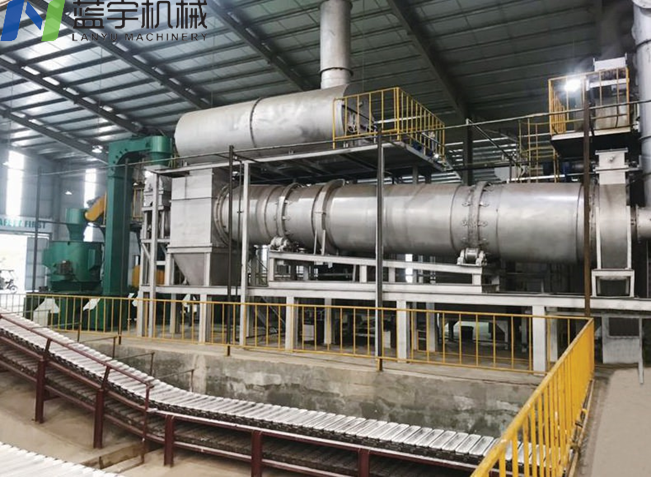
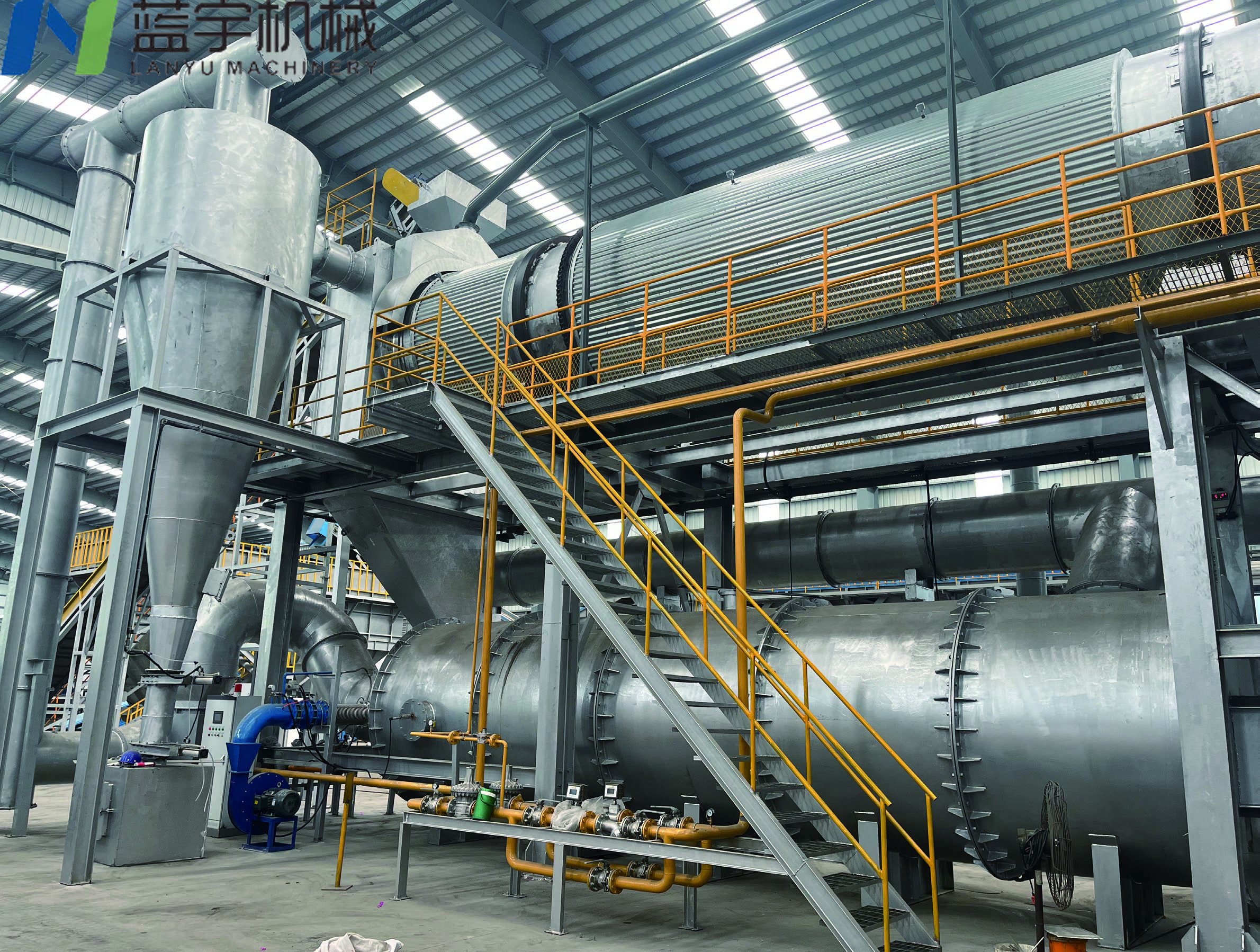
The feed system transfers material into a sealed rotary kiln. Multiple air valves regulate the oxygen entering the process zone to maintain a low-oxygen atmosphere. As the drum rotates, the material tumbles continuously through controlled drying, volatilization and decoating temperature stages.
Combustible gases released during treatment are routed to a secondary combustion chamber. Recovered heat from the flue gas is returned to the kiln, while the processed material is continuously discharged for downstream conveying and melting.
Technical Features
- Continuous processing: Rotary operation supports continuous feeding and discharge for 24-hour production.
- Low-oxygen control: Multiple air valves regulate oxygen content to limit oxidation during preheating and decoating.
- Staged temperature control: Separate drying, volatilization and decoating stages match the changing condition of the feed.
- Secondary combustion: Combustible process gases are treated in a secondary combustion chamber configured for project requirements.
- Heat recovery: Recovered flue-gas heat is reused by the kiln to improve thermal utilization.
- PLC monitoring: Temperature, drum speed and oxygen content are monitored for stable operation and process adjustment.
Main Models
1–3 t/h, 3–5 t/h, 5–8 t/h, 8–10 t/h
Share :